




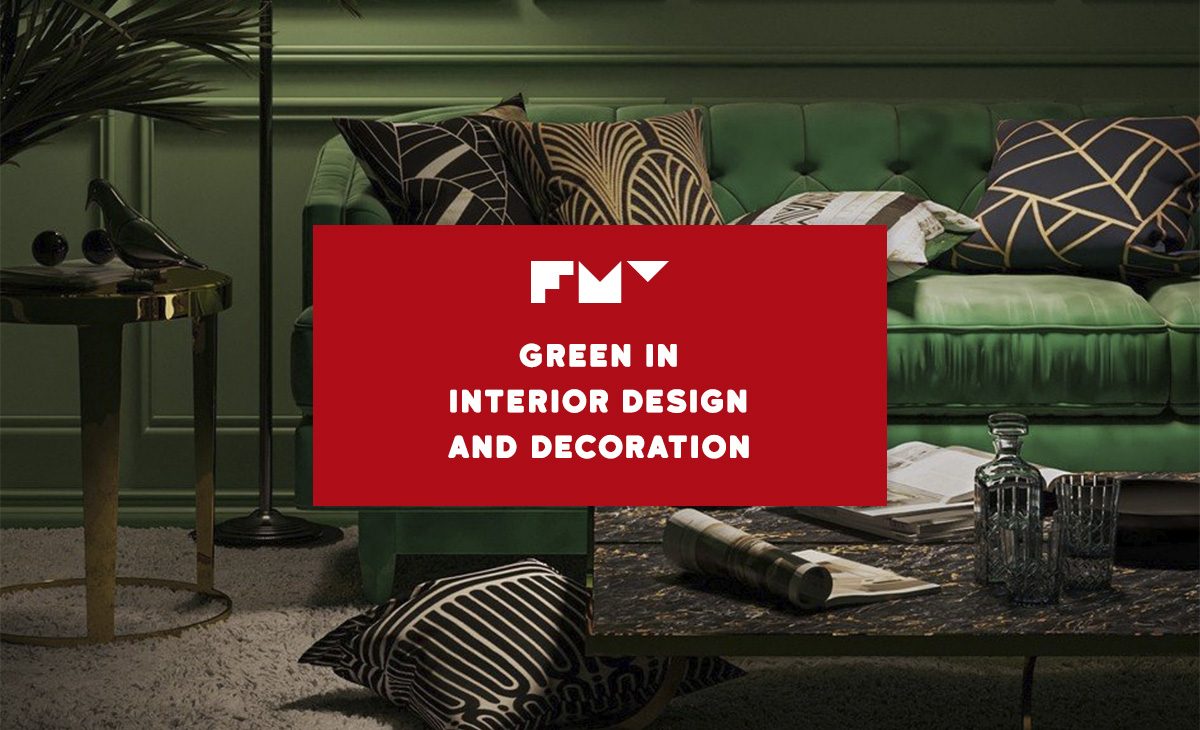
25 Apr Green in interior design and decoration
Today we will explore the role of green in interior decoration and design.
As we did with black in a previous article in our blog, we would like to take a look at how this colour is used in the world of interior design and decoration.
We will cover such topics as colour psychology, the emotions conveyed by the different shades of green, its direct connection with nature, and how it is particularly suitable for different kinds of environments.
Come and join us into the fascinating world of green.
What green makes us feel in interior design and decoration: colour psychology
We would like to start by dealing with colour psychology to understand which feelings, emotions and sensations the different shades of green evoke.
The strongest association we establish when talking or thinking about this colour is with nature.
For example, with such trends as biophilic design.
Green is the colour of vegetation, lushness and plants in general.
It is a colour that conveys peace and harmony. It evokes quietness, health and emotional balance.
It soothes us and helps us master ourselves, bringing a sense of temperance. As the saying goes, green is the colour of hope.

If we look at its different shades, we can identify some variations in the emotions they convey:
- Emerald green: suggests luxury and elegance: the proper colour for a gemstone. A good match for golden tones.
- Pastel green: peacefulness, quietness, calmness and relaxation. Pure natural balance.
- Pistachio green: youth, natural freshness, joy and dynamism.
- Dark green: strength, confidence, tenacity and maturity.
Using green: where it works best
As we said, green is especially effective when aiming to create a natural and pure atmosphere or an environment that conveys peace and calmness.
Let’s take a look at some examples in different kinds of spaces.
Workplaces and learning environments: focus and relaxation
Green is especially well-suited for workplaces and learning environments.
In fact, this colour has been shown to reduce eye strain levels, helping workers and students focus more easily.
This makes it perfect for those environments where people need to concentrate for long periods of time, such as offices or libraries.
Green is a colour that gives environments a fresh touch, enhancing the feeling of spaciousness and freedom.

Food-related environments: health, wellbeing and care
Green is a synonym for health, nature and wellbeing.
That is why it is also ideal for food-related environments.
Supermarket chains, cafés and restaurants often use green to convey a sense of health.
Combining it with natural textures and materials, such as wood or stone, is a guarantee of success when choosing such colour for these kinds of environment.

Hotels: a true relaxation experience
Green also works out really well in contract designs environments, especially in hospitality.
It is the perfect choice for those who aim at offering their guests a full relaxation experience.

As we have mentioned, green makes us feel peaceful.
It calms us and helps us disconnect from everyday life stress – just what we look for when we leave for a weekend getaway or stay in a hotel.
That is why green is so popular among hotel chains when it comes to interior design and decoration.
We hope you have enjoyed this trip into green’s world, its meanings and many uses in furniture and interior design.
Don’t forget: the 63rd edition of our FMY is only a month away! If you haven’t already, here you can download your invitation to attend the event for free.
We look forward to seeing you on 27th, 28th, 29th and 30th May.
FMY
Sorry, the comment form is closed at this time.